November 5, 2026
Text vs call: which gets faster responses from leads
The real question isn't text or call, it's speed
Every owner asks this at some point. Should my front desk call every lead, or just text them? The honest answer is both work, but only if they happen fast. A lead who filled out a form at 2pm and gets a text at 2:03pm behaves completely differently than one who gets a call at 5pm.
Speed beats channel almost every time. But once you control for speed, text and call still perform differently depending on who you're reaching and what you're asking them to do.
What the numbers actually show
Across gyms, salons, and clinics we've watched, texts get opened in under 3 minutes about 90% of the time. Calls get answered live maybe 20-30% of the time on the first attempt, especially from unknown numbers.
But open rate isn't booking rate. A text that says "Hey Sarah, saw you're interested in our intro class, want me to grab you a spot Tuesday at 6pm?" converts to a reply around 35-45%. A phone call that actually connects converts to a booking closer to 55-65%, because the person on the phone can handle objections and close right there.
So text wins on speed and reach. Calls win on close rate, but only when someone picks up.
Age changes the math
This is where it gets practical. Leads under 35 almost never answer calls from numbers they don't recognize. They'll ignore three calls in a row and then reply to a text within the hour. For this group, calling first is often wasted effort. Text first, and if they engage, offer a call for anything that needs more explanation, like pricing for a package or a med spa consult.
Leads over 50 behave almost the opposite way. They answer calls more often, and some genuinely prefer it, especially for anything that feels medical or high trust, like a clinic visit or a first massage appointment. Texting them cold can feel impersonal or even get missed if they don't check messages often.
A rough rule that holds up across a lot of client data: under 35, text first. Over 50, call first. In between, it's close to a coin flip, so default to text because it's cheaper and faster to send.
Why calls still win for certain situations
There are a few situations where a call almost always beats a text no matter the age group.
- High ticket services, like a $3,000 med spa package or a 12-month coaching program
- Anything involving a cancellation or a no-show you're trying to save
- Leads who've gone cold after two unanswered texts
In these cases a live voice handles hesitation in a way text can't. You can hear tone, answer the real objection instead of the one they typed, and often book same call.
The follow-up problem no one talks about
Here's the part most businesses get wrong. They pick one channel and stick with it. Front desk texts a lead once, no reply, lead goes cold. Or they call once, leave a voicemail, never follow up again.
The data is pretty clear that it takes 4-6 touches to get a response from a lead that didn't answer immediately. Most businesses give up after 1 or 2. That's not a text vs call problem, that's a persistence problem, and it's costing you leads you already paid for.
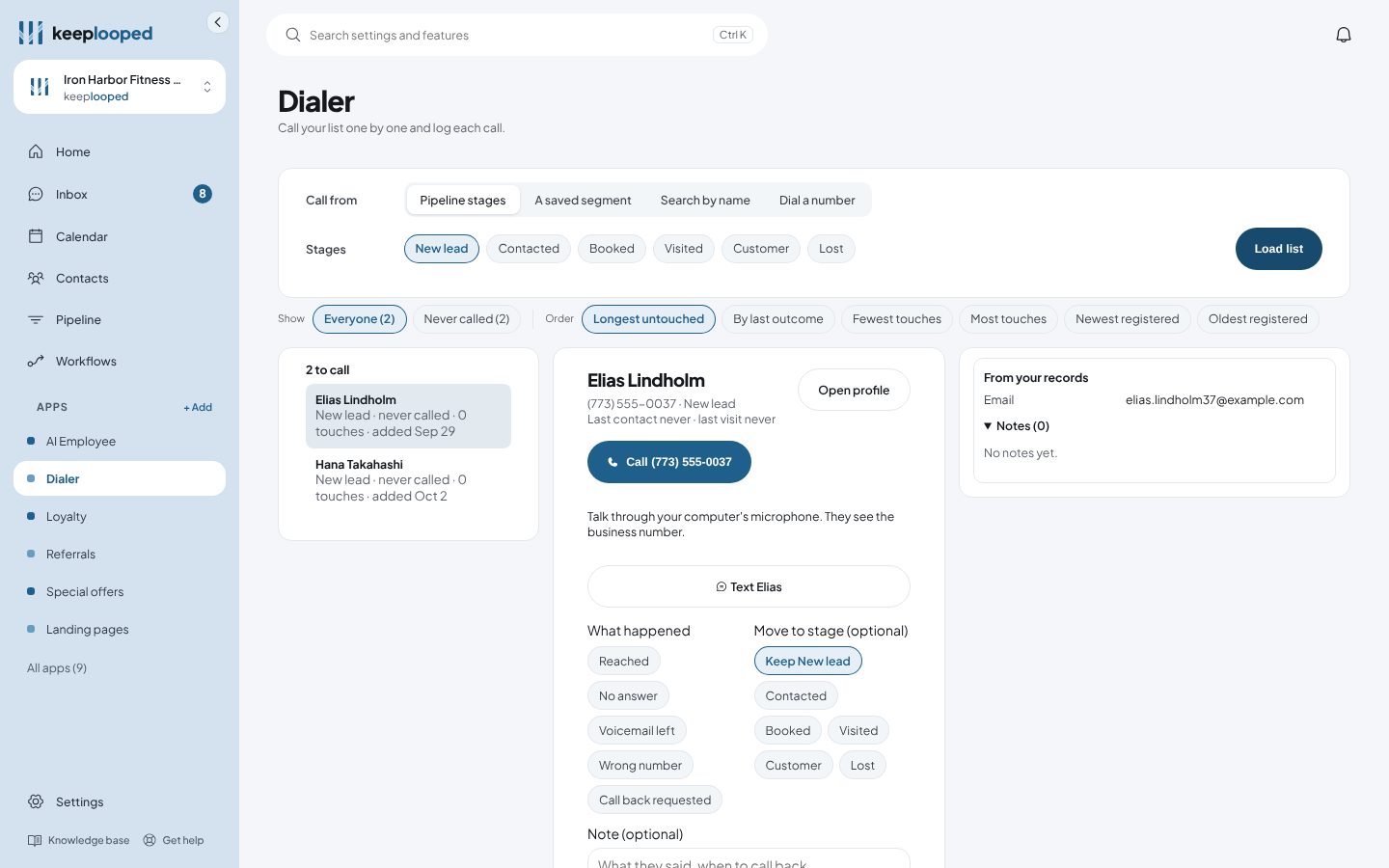
If you're running a list of leads who haven't responded to a first text, working them by phone in order, one at a time, with notes on what happened, tends to recover 15-20% of leads that looked dead.
What actually works: text first, call second
The system that performs best in practice isn't picking a winner between text and call. It's sequencing them.
- Text within 5 minutes of the lead coming in
- If no reply in 2 hours, call
- If no answer, text again with a different offer or time option
- If still nothing after 48 hours, one more call, then move to a slower follow-up cadence
This sequence respects how people actually behave. It gives the fast, low friction option first, then escalates to a human voice when text isn't landing. Businesses that run this consistently see booking rates from new leads in the 50-60% range, versus 20-30% for businesses that only do one channel or only try once.
The hard part isn't knowing the sequence. It's actually running it on every single lead, every single day, without someone forgetting by Thursday afternoon.
Put it on autopilot
This is where most front desks fall apart, not because the staff doesn't know what to do, but because manual follow-up dies the moment things get busy. A slow Tuesday turns into a rushed Friday and leads from three days ago never get their second text.
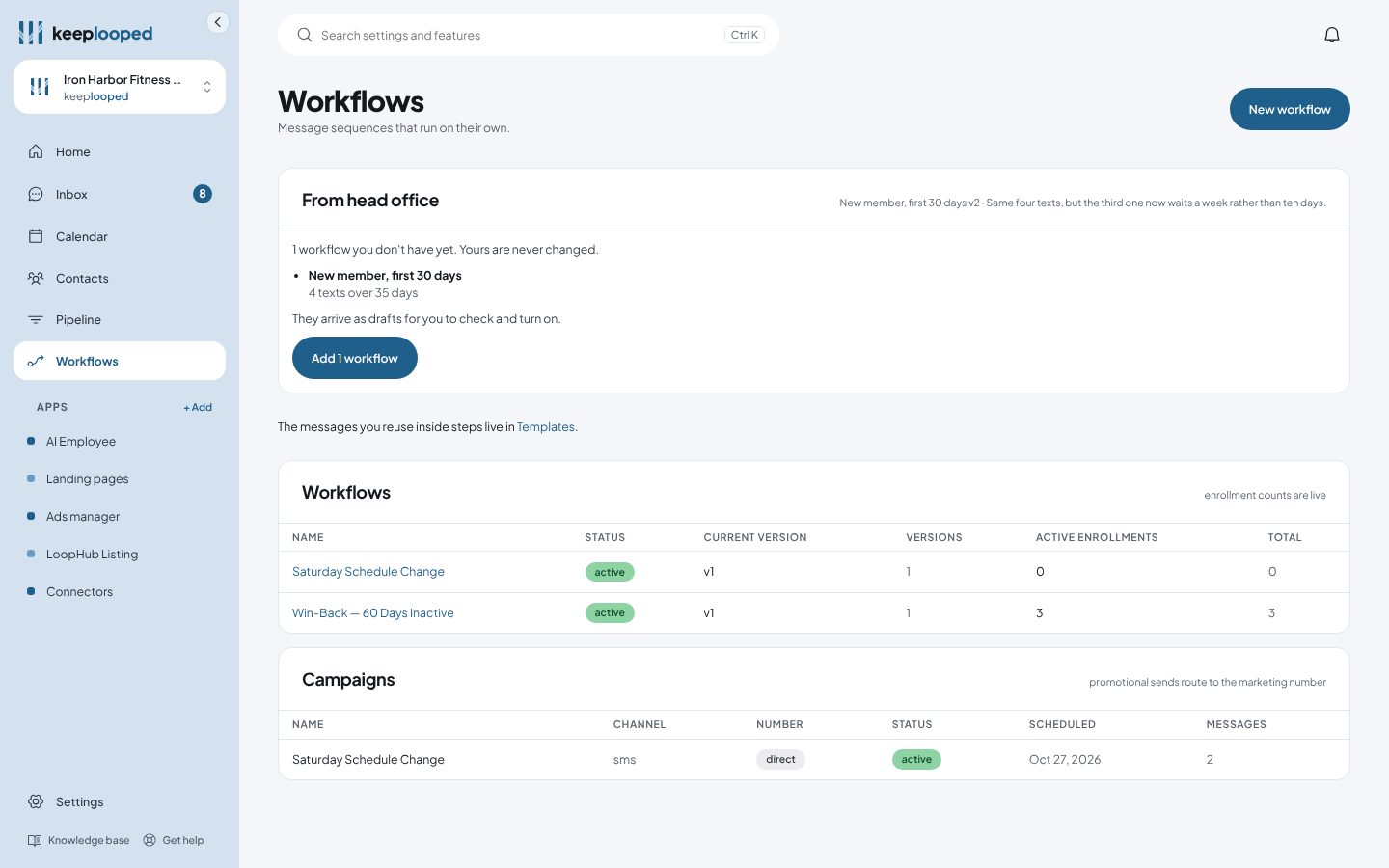
Setting up automatic follow-up that texts immediately, waits, then nudges your team to call if there's no reply, takes the guesswork out of timing. The lead still gets handled by a person for the call, but the system makes sure nobody falls through the cracks waiting for someone to remember.
The choice between text and call was never really the decision that mattered. The decision that matters is whether you have a system that does both, in the right order, every time, without depending on someone's memory on a busy day.